Operational details and potential dangers under investigation. Discussion paper commissioned. Many thanks. New important work for us in our role as specialists in technology and innovation assessment.
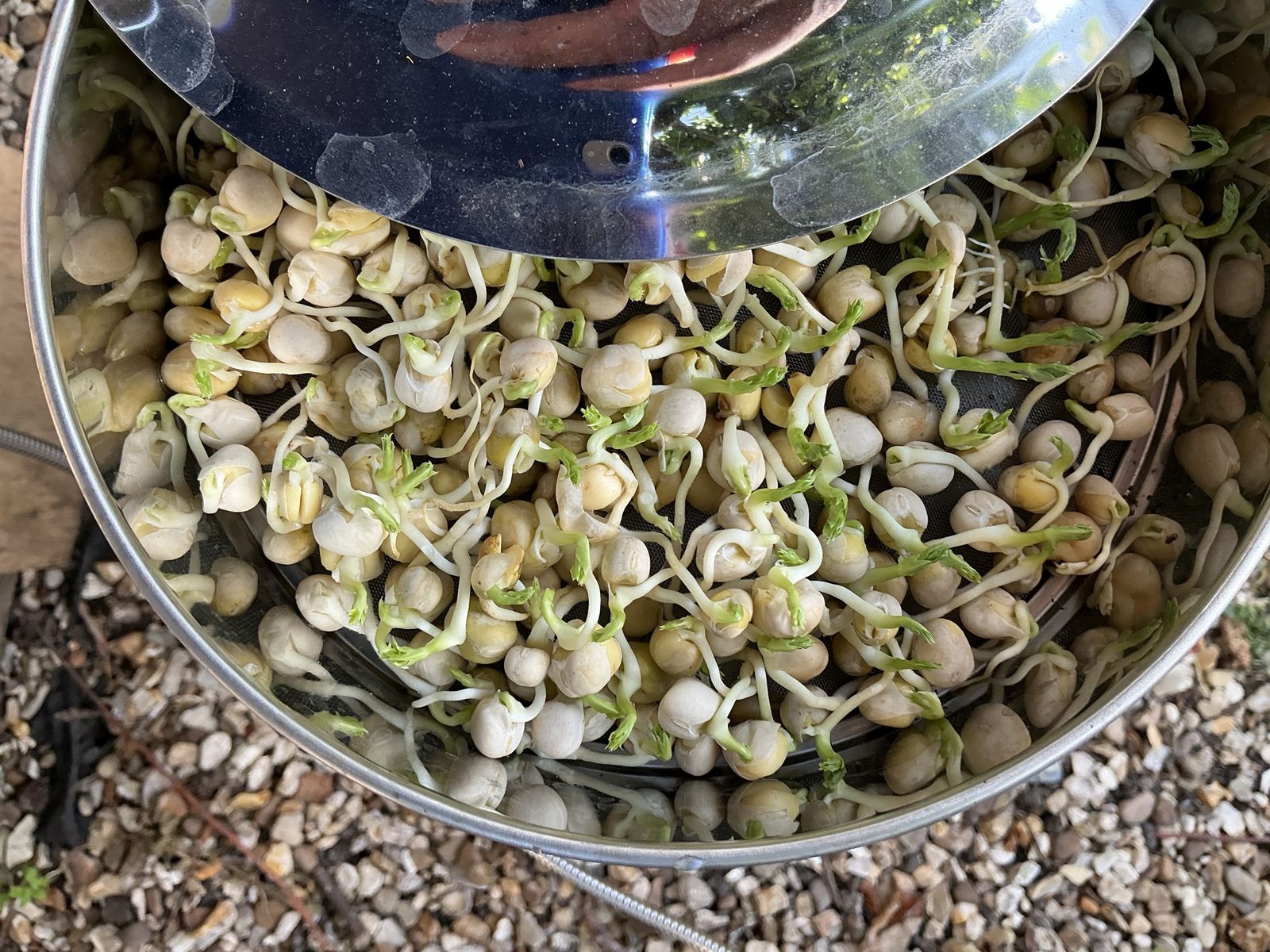
The Automatic Seed Sprouter prototype is now running and under study for scaled operation, with results being gathered to inform the design of a larger production unit.
All sorts of odd items for disposal - check out my sale page.
Item1 is an Osbourne One with original manuals.
Item2 is a mechanical punched tape teletype machine - again with
original documentation.
Condition unknown.
Mobile Solar Project — Investigation Expanded to Include Plug-In Solar Option
The Mobile Solar investigation has been expanded to evaluate plug-in solar as a viable option alongside the existing portable unit. This broadens the scope of the project to include grid-tied and hybrid configurations for greater flexibility in deployment.
Development of the Virtual Workgroups collaboration meta-project is under way. The framework will enable distributed teams to collaborate more effectively on R&D initiatives. Further details to be announced.
The greenhouse heating and Smart Intelligent Pipes project is now fully funded for 2023–24. This marks a significant milestone for the sustainable horticulture programme, enabling continued R&D into heat-capture irrigation technology.
Revised design of the automated plant growing system featuring a perlite channel and cascading nutrient irrigation system. Software update posted for GutterGrow MicroPython control system.
New data published from the Smart Intelligent Pipes (SIP) heat-capture project. Results confirm effective capture of solar and ambient heat differentials into horticultural water systems under real-world conditions.
Ongoing investigation into investment opportunities in seaweed and algae cultivation, with a focus on freshwater alternatives. Exploring the potential for sustainable, scalable biological systems in UK horticulture.
The Mobile Solar unit has been upgraded with a LiFePO4 battery — chosen for its superior cycle life, thermal stability, and energy density — and the solar panel upgraded to 100W capacity for improved off-grid performance.